
Who Is Responsible for Website and Application Security ? من المسؤول عن أمن المواقع والتطبيقات؟
Related Articles
Who Is Responsible for Website and Application Security?
When a company talks about security, there is one question that should never be avoided:
Who is responsible for it?
If a development company tells you:
“Security is not our responsibility.”
the next question should be:
“Then whose responsibility is it?”
Security is not a button that someone switches on before launch.
It is not a final checklist item.
And it is not a feature that can simply be added after the product has already been built.
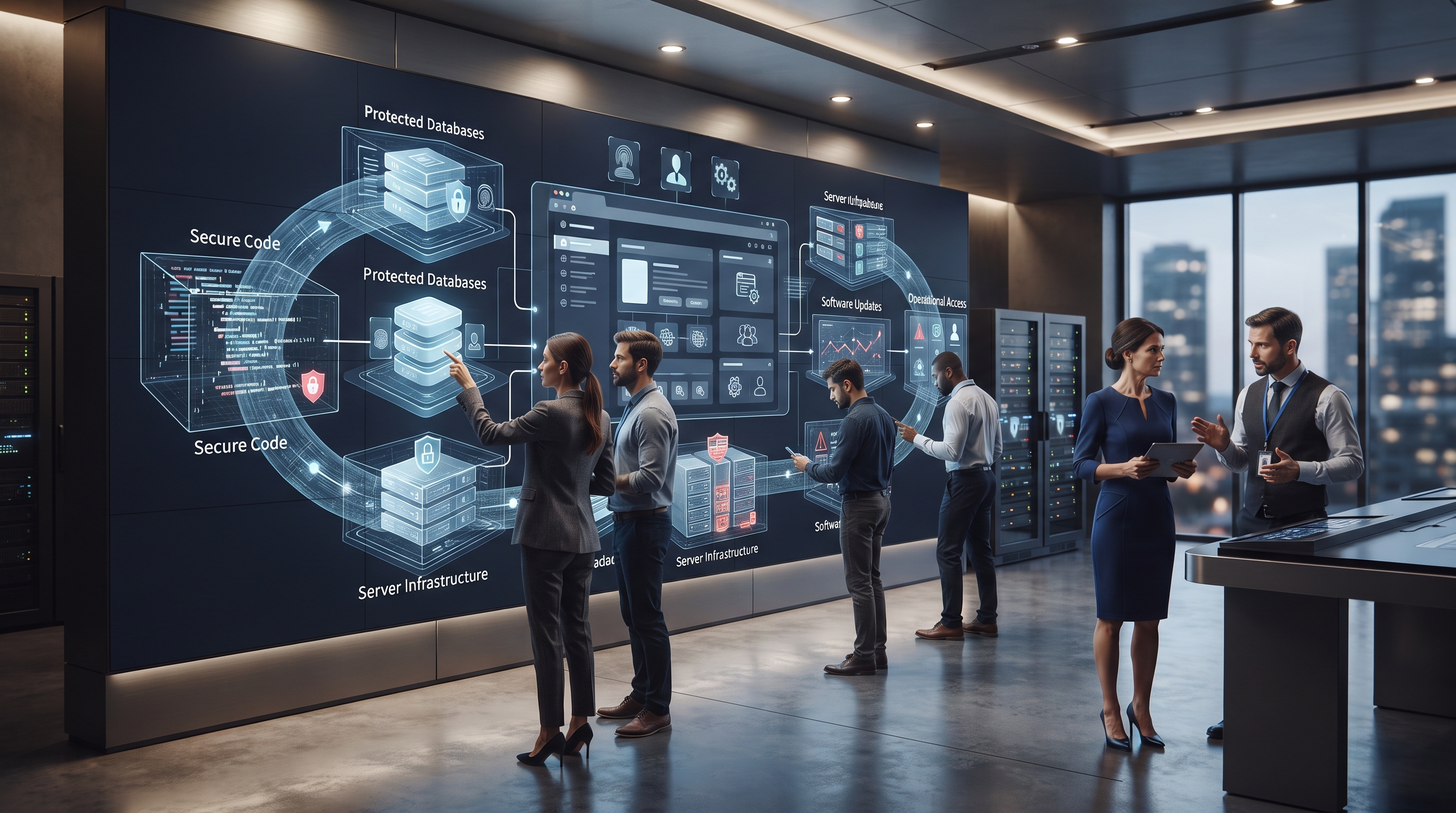
Modern applications depend on many interconnected components:
Code
Databases
User accounts
Authentication
Permissions
Servers
APIs
Third-party services
Software updates
Infrastructure
Monitoring
Backups
Each part can affect the overall security of the product.
At the same time, security is not solely a developer responsibility.
Business owners, administrators, employees, and users can also affect the security of a system through passwords, permissions, access management, configuration, and everyday operational decisions.
That is why application security is better understood as an ongoing responsibility across the entire product lifecycle.
Security Starts Before the Product Is Launched
One of the biggest misconceptions about cybersecurity is that security happens near the end of development.
A team builds the product.
The features are completed.
The design is finished.
The system is deployed.
Then someone asks:
“Did we add security?”
That approach can create problems because security decisions often need to be considered much earlier.
For example, during the planning and development process, teams may need to think about:
How users authenticate
How passwords are handled
What information is collected
Who can access that information
What each user role can do
How APIs are protected
How data is stored
How sensitive information is transmitted
How errors are handled
How systems are updated
How suspicious activity is monitored
These decisions can affect the architecture itself.
Security is therefore not something that should be treated as an afterthought.

The Development Team Has a Security Responsibility
Software developers are responsible for building application code in a way that reduces security risks.
That includes considering common areas such as:
Secure Authentication
User authentication should be designed carefully.
Applications may need secure password handling, session management, account recovery mechanisms, and appropriate authentication controls.
Input Validation
Applications receive data from users, browsers, APIs, and other systems.
That data should be validated and handled safely rather than blindly trusted.
Authorization
Authentication answers:
“Who are you?”
Authorization answers:
“What are you allowed to do?”
A user may be successfully logged in but still should not have access to every part of the system.
Secure API Design
Modern applications often depend heavily on APIs.
Those APIs need appropriate authentication, authorization, validation, rate controls, and error handling based on their specific use case.
Dependency Management
Applications frequently rely on frameworks, libraries, packages, and third-party components.
Keeping those dependencies maintained is part of maintaining the security of the application.
The development team cannot guarantee that every security risk will never occur, but security should be considered as part of how the software is designed and built.
The Database Has a Security Role Too
Your application may look secure from the outside, but the database behind it is another critical layer.
A database can contain:
Customer information
Account information
Business records
Transactions
Internal data
Credentials or authentication-related information
Operational information
Protecting this data requires more than simply placing it behind a login page.
Depending on the system, security considerations may include:
Access controls
Encryption
Secure database configuration
Backups
Monitoring
Data retention
Least-privilege access
Protection against unauthorized queries or modifications
The database should be treated as part of the product's security architecture.
User Accounts Can Become a Security Risk
Even a well-designed application can be affected by how accounts are managed.
Imagine a system with strong application security but poor account practices.
A user might:
Reuse a weak password
Share their credentials
Leave an account logged in on an unsecured device
Give access to someone who should not have it
Ignore suspicious activity
The technical system may be functioning as designed, but the overall security can still be compromised.
This is why security involves both technology and people.
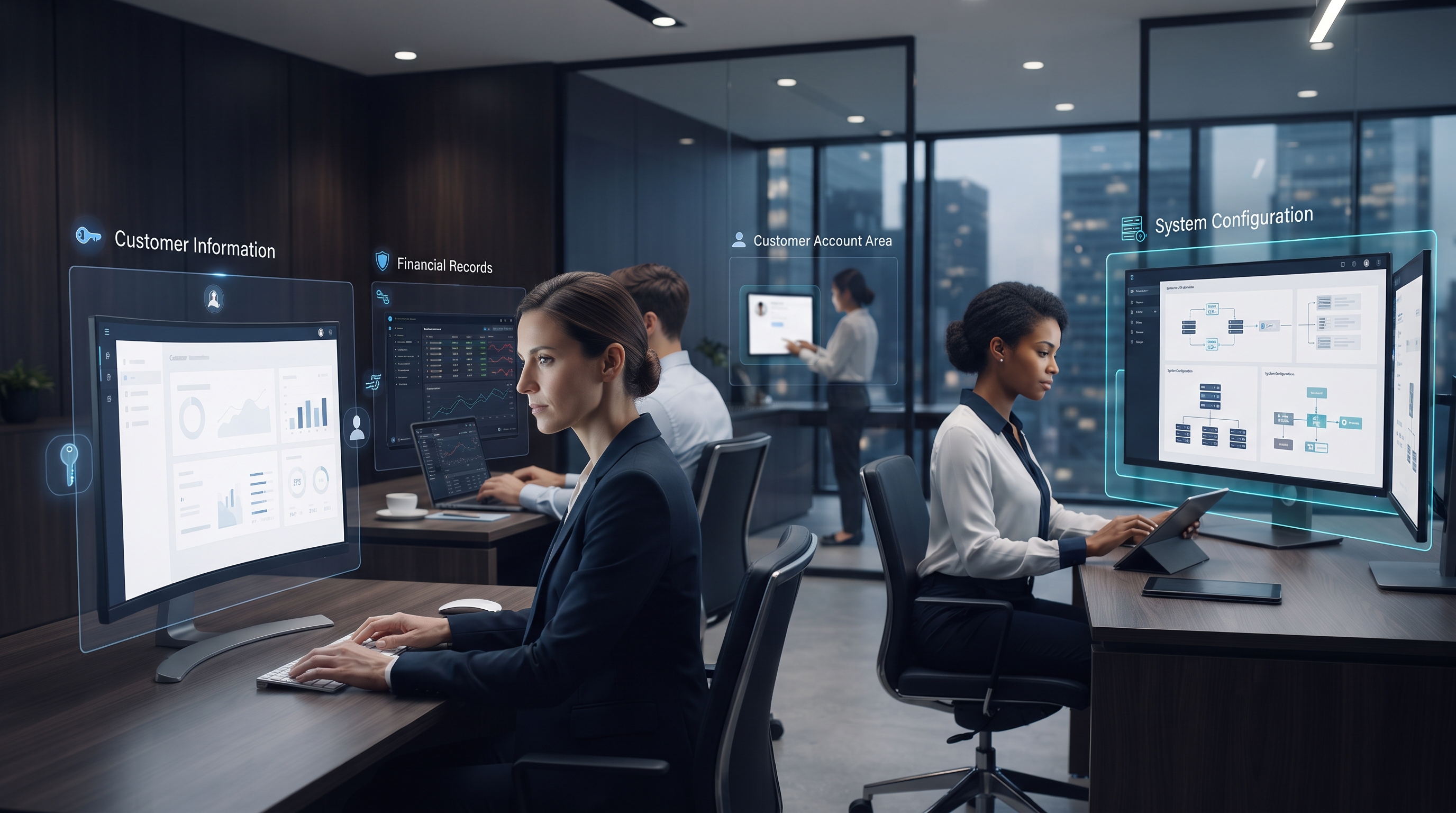
Permissions Matter More Than Many Businesses Realize
Not every employee needs access to everything.
A sales employee may need customer information.
An accountant may need financial information.
An administrator may need broader system access.
A customer should only see their own account and information.
This is where permissions become critical.
A properly designed permission model should define what different users and roles are allowed to access or change.
The principle of least privilege is particularly important: users and systems should generally have only the access they need to perform their required tasks.
Incorrect permissions can turn an otherwise well-built application into a serious security risk.
The Server and Infrastructure Matter
Application security does not stop at the code.
The infrastructure hosting the application also matters.
Depending on the environment, security considerations may include:
Server configuration
Network controls
Firewalls
Access management
Encryption
Monitoring
Logging
Backups
Patch management
Infrastructure updates
A secure application running on poorly maintained infrastructure can still be exposed to unnecessary risks.
This is why development and infrastructure decisions need to work together.
Updates Are Part of Security
Launching a secure application does not mean the security work is finished.
Software changes.
Dependencies receive updates.
New vulnerabilities are discovered.
Infrastructure changes.
New integrations are introduced.
Attack techniques evolve.
As a result, security requires ongoing maintenance.
Regular updates and patch management can be an important part of keeping systems protected over time.
A product that was carefully built but never maintained can gradually become more exposed as its environment changes.
Business Owners Have Security Responsibilities Too
This part is often overlooked.
A business owner does not need to be a cybersecurity engineer.
But the business still makes decisions that directly affect security.
For example, the business may decide:
Who gets administrator access
Which employees can access customer data
When an employee's access should be removed
Which third-party services are connected
What data should be collected
How long information should be retained
What security requirements the project needs
What happens when an employee leaves
These are business decisions with security consequences.
A development team can implement the permission system correctly.
But if the business gives administrator access to everyone, the overall security model can still be weakened.
A Strong System Can Still Be Undermined by Weak Practices
Imagine a company invests heavily in application security.
The code is carefully developed.
The server is properly configured.
The database is protected.
Access controls are implemented.
Then an administrator uses a weak password and shares it with another employee.
The technology may be strong.
The operational practice is not.
This illustrates an important principle:
Security is only as strong as the overall system and the way people use it.
That does not mean humans are always the weakest link.
It means security has to account for both technical controls and human behavior.

Security Is a Shared Responsibility
A more realistic way to think about security is as a chain of responsibilities.
Development Team
Responsible for building and maintaining application functionality with security considerations built into the software lifecycle.
Infrastructure Team
Responsible for the relevant hosting, network, server, monitoring, access, and infrastructure controls.
Database and Data Management
Responsible for appropriate protection, access controls, backups, and handling of stored information.
Business Owner
Responsible for business-level access decisions, policies, vendors, risk priorities, and operational processes.
Administrators
Responsible for managing accounts, permissions, configurations, and day-to-day system operations.
Employees and Users
Responsible for following security practices and protecting their own access credentials and devices.
The exact responsibilities vary depending on the architecture and organization.
The important point is that security should have clear ownership, not an undefined space where everyone assumes someone else is responsible.

What Happens When Nobody Owns Security?
One of the most dangerous situations is not necessarily having a weak security tool.
It is having unclear responsibility.
The developer assumes the infrastructure team handles security.
The infrastructure team assumes the developer secured the application.
The business assumes the vendor handled everything.
The administrator gives users excessive permissions.
Nobody has a complete view.
This can create security gaps between different parts of the system.
Clear responsibility helps prevent those gaps.
Security Should Be Part of the Development Lifecycle
A stronger approach is to integrate security throughout the product lifecycle.
Planning
Identify the type of data, users, roles, integrations, and potential risks.
Architecture
Design authentication, authorization, data handling, infrastructure, and system boundaries appropriately.
Development
Build secure functionality and handle user input, sessions, APIs, dependencies, and errors carefully.
Testing
Evaluate the system for vulnerabilities and unexpected behavior.
Deployment
Configure infrastructure and access controls appropriately.
Monitoring
Watch for unusual activity, failures, and security-related events.
Maintenance
Apply updates, review permissions, address vulnerabilities, and adapt the system as requirements change.
Security becomes an ongoing process rather than a single event.
Security Is Not Just About Preventing Attacks
Security discussions often focus entirely on hackers.
But security also involves protecting the business from accidental or unauthorized access.
For example:
An employee accessing information they do not need
An old employee retaining access
A database backup being exposed
An administrator changing the wrong configuration
A third-party integration receiving excessive permissions
Sensitive information being stored unnecessarily
These situations may not look like traditional cyberattacks, but they can still create serious security problems.
A complete security strategy considers both intentional and accidental risks.
Ask These Questions Before Launching
If you are working with a development company, ask practical questions before the product goes live.
Who manages user authentication?
Understand how users log in and how accounts are protected.
How are permissions structured?
Ask how different roles are prevented from accessing information they should not see.
How is sensitive data protected?
Understand where important information is stored and how access to it is controlled.
Who manages updates?
Clarify who is responsible for application dependencies, infrastructure updates, and security patches.
Who monitors the system?
Know whether suspicious activity, errors, and unusual events are monitored.
Who manages backups?
Understand how backups are created, protected, and restored.
What happens when an employee leaves?
Access should not remain active indefinitely.
What happens after launch?
Security should not disappear from the conversation once the application is deployed.
These questions help turn “security” from a vague promise into a set of identifiable responsibilities.
Security Is Part of How You Build the Product
Security should not be treated as an optional feature that gets added just before launch.
It is connected to:
Architecture
Code
Database design
Authentication
Authorization
Infrastructure
User management
Updates
Monitoring
Business processes
And it continues after launch.
The development team has responsibilities.
The infrastructure team may have responsibilities.
The business owner has responsibilities.
Administrators and users have responsibilities.
The exact distribution depends on the product and architecture, but someone should always be clearly accountable for each part.
Build Security Into the Product From the Beginning
The question should not be:
“Did we add security before launch?”
It should be:
“How did we design and operate this product securely from the beginning?”
That shift changes the conversation.
Instead of treating security as a checkbox, you treat it as part of the product itself.
Because a secure digital product is not created by one button, one tool, or one team.
It comes from the way the entire system is designed, built, deployed, maintained, and used.
If you want to understand whether your application has the right security foundations, Vauxite can help review the architecture, application components, access model, infrastructure, and operational practices.
Want more confidence in your product's security? Book a free security review with Vauxite.
من المسؤول عن أمان مواقع الويب والتطبيقات؟
عندما تتحدث شركة عن الأمان، هناك سؤال واحد لا ينبغي تجنبه أبدًا:
من المسؤول عن ذلك؟
إذا أخبرتك إحدى شركات التطوير:
"الأمن ليس مسؤوليتنا".
يجب أن يكون السؤال التالي:
"فمن إذن؟ هل هي مسؤولية؟"
الأمان ليس زرًا يقوم شخص ما بتشغيله قبل الإطلاق.
إنه ليس عنصرًا نهائيًا في قائمة التحقق.
وهو ليس ميزة يمكن إضافتها ببساطة بعد إنشاء المنتج بالفعل.
تعتمد التطبيقات الحديثة على العديد من المكونات المترابطة:
الكود
قواعد البيانات
المستخدم الحسابات
المصادقة
الأذونات
الخوادم
واجهات برمجة التطبيقات
خدمات الجهات الخارجية
تحديثات البرامج
البنية التحتية
المراقبة
النسخ الاحتياطية
يمكن أن يؤثر كل جزء على الأمان العام للمنتج.
وفي الوقت نفسه، لا يقتصر الأمان على المطور فقط. المسؤولية.
يمكن لأصحاب الأعمال والمسؤولين والموظفين والمستخدمين أيضًا التأثير على أمان النظام من خلال كلمات المرور والأذونات وإدارة الوصول والتكوين والقرارات التشغيلية اليومية.
ولهذا السبب يُفهم أمان التطبيقات بشكل أفضل باعتباره مسؤولية مستمرة عبر دورة حياة المنتج بأكملها.
يبدأ الأمان قبل إطلاق المنتج
أحد أكبر المفاهيم الخاطئة حول الأمن السيبراني هو أن الأمان يحدث قرب النهاية التطوير.
يقوم الفريق ببناء المنتج.
تم إكمال الميزات.
تم الانتهاء من التصميم.
تم نشر النظام.
ثم يسأل شخص ما:
"هل أضفنا الأمان؟"
يمكن أن يخلق هذا النهج مشاكل لأن القرارات الأمنية غالبًا ما تحتاج إلى النظر فيها مبكرًا.
على سبيل المثال، أثناء عملية التخطيط والتطوير، قد تحتاج الفرق إلى التفكير حول:
كيفية مصادقة المستخدمين
كيفية التعامل مع كلمات المرور
ما هي المعلومات التي يتم جمعها
من يمكنه الوصول إلى تلك المعلومات
ما يمكن أن يفعله كل دور مستخدم
كيفية حماية واجهات برمجة التطبيقات
كيفية تخزين البيانات
كيفية نقل المعلومات الحساسة
كيفية التعامل مع الأخطاء
كيفية تحديث الأنظمة
كيف يتم النشاط المشبوه مراقبة
يمكن أن تؤثر هذه القرارات على البنية نفسها.
وبالتالي فإن الأمن ليس شيئًا يجب التعامل معه كفكرة لاحقة.
يتحمل فريق التطوير مسؤولية أمنية
يتحمل مطورو البرامج مسؤولية إنشاء التطبيق التعليمات البرمجية بطريقة تقلل من المخاطر الأمنية.
يتضمن ذلك النظر في المجالات الشائعة مثل:
المصادقة الآمنة
يجب تصميم مصادقة المستخدم بعناية.
قد تحتاج التطبيقات إلى معالجة آمنة لكلمات المرور وإدارة الجلسة وآليات استرداد الحساب وضوابط المصادقة المناسبة.
التحقق من صحة الإدخال
تتلقى التطبيقات البيانات من المستخدمين والمتصفحات وواجهات برمجة التطبيقات والأنظمة الأخرى.
هذا يجب التحقق من صحة البيانات والتعامل معها بأمان بدلاً من الوثوق بها بشكل أعمى.
التفويض
إجابات المصادقة:
"من أنت؟"
إجابات التفويض:
"ما الذي يُسمح لك بفعله؟"
قد يتم تسجيل دخول المستخدم بنجاح ولكن لا يزال يتعين عليه عدم الوصول إلى كل جزء من النظام.
تأمين تصميم واجهة برمجة التطبيقات
غالبًا ما تعتمد التطبيقات الحديثة بشكل كبير على واجهات برمجة التطبيقات.
تحتاج واجهات برمجة التطبيقات هذه إلى المصادقة المناسبة والترخيص والتحقق من الصحة وضوابط المعدل ومعالجة الأخطاء بناءً على حالة الاستخدام المحددة.
إدارة التبعيات
تعتمد التطبيقات بشكل متكرر على أطر العمل والمكتبات والحزم ومكونات الطرف الثالث.
يعد الحفاظ على هذه التبعيات جزءًا من الحفاظ على أمان التطبيق.
التطوير لا يستطيع الفريق ضمان عدم حدوث كل المخاطر الأمنية أبدًا، ولكن يجب اعتبار الأمان جزءًا من كيفية تصميم البرنامج وإنشائه.
لقاعدة البيانات دور أمني أيضًا
قد يبدو تطبيقك آمنًا من الخارج، ولكن قاعدة البيانات التي تقف خلفه تمثل طبقة مهمة أخرى.
يمكن أن تحتوي قاعدة البيانات على:
معلومات العميل
معلومات الحساب
الأعمال السجلات
المعاملات
البيانات الداخلية
بيانات الاعتماد أو المعلومات المتعلقة بالمصادقة
المعلومات التشغيلية
تتطلب حماية هذه البيانات أكثر من مجرد وضعها خلف صفحة تسجيل الدخول.
اعتمادًا على النظام، قد تتضمن الاعتبارات الأمنية ما يلي:
عناصر التحكم في الوصول
التشفير
قاعدة بيانات آمنة التكوين
النسخ الاحتياطية
المراقبة
الاحتفاظ بالبيانات
الوصول الأقل امتيازًا
الحماية ضد الاستعلامات أو التعديلات غير المصرح بها
يجب التعامل مع قاعدة البيانات كجزء من بنية أمان المنتج.
يمكن أن تصبح حسابات المستخدمين خطرًا أمنيًا
حتى التطبيق المصمم جيدًا يمكن أن يتأثر بكيفية عمل الحسابات. مُدار.
تخيل نظامًا يتمتع بأمان تطبيق قوي ولكن ممارسات حسابية سيئة.
قد يقوم المستخدم بما يلي:
يعيد استخدام كلمة مرور ضعيفة
يشارك بيانات الاعتماد الخاصة به
يترك حسابًا مسجلاً الدخول على جهاز غير آمن
يمنح حق الوصول لشخص لا ينبغي أن يمتلكه
يتجاهل الأنشطة المشبوهة
قد يعمل النظام الفني كما تم تصميمه، ولكن لا يزال من الممكن الحفاظ على الأمان العام تم اختراقها.
وهذا هو السبب في أن الأمان يشمل كلاً من التكنولوجيا والأشخاص.
الأذونات مهمة أكثر مما تدركه العديد من الشركات
لا يحتاج كل موظف إلى الوصول إلى كل شيء.
قد يحتاج موظف المبيعات إلى معلومات العميل.
قد يحتاج المحاسب إلى معلومات مالية.
قد يحتاج المسؤول إلى وصول أوسع إلى النظام.
يجب أن يرى العميل حسابه ومعلوماته الخاصة فقط.
هنا حيث الأذونات تصبح بالغة الأهمية.
يجب أن يحدد نموذج الأذونات المصمم بشكل صحيح ما يُسمح للمستخدمين والأدوار المختلفة بالوصول إليه أو تغييره.
يعد مبدأ الامتيازات الأقل مهمًا بشكل خاص: يجب أن يتمتع المستخدمون والأنظمة بوجه عام فقط بحق الوصول الذي يحتاجون إليه لأداء المهام المطلوبة.
يمكن أن تحول الأذونات غير الصحيحة تطبيقًا جيد التصميم إلى خطر أمني خطير.
أهمية الخادم والبنية التحتية
لا يتوقف أمان التطبيق عند الكود.
إن البنية التحتية التي تستضيف التطبيق مهمة أيضًا.
اعتمادًا على البيئة، قد تتضمن الاعتبارات الأمنية ما يلي:
تكوين الخادم
الشبكة عناصر التحكم
جدران الحماية
إدارة الوصول
التشفير
المراقبة
التسجيل
النسخ الاحتياطية
إدارة التصحيح
تحديثات البنية التحتية
قد يظل التطبيق الآمن الذي يعمل على بنية تحتية سيئة الصيانة معرضًا لمخاطر غير ضرورية.
ولهذا السبب يجب أن تعمل قرارات التطوير والبنية التحتية معًا.
التحديثات جزء من الأمان
لا يعني تشغيل تطبيق آمن انتهاء العمل الأمني.
تغييرات البرامج.
تتلقى التبعيات تحديثات.
يتم اكتشاف ثغرات أمنية جديدة.
تغييرات البنية التحتية.
يتم تقديم عمليات تكامل جديدة.
تتطور تقنيات الهجوم.
ونتيجة لذلك، يتطلب الأمان صيانة مستمرة.
تحديثات وتصحيحات منتظمة يمكن أن تكون الإدارة جزءًا مهمًا من الحفاظ على حماية الأنظمة بمرور الوقت.
يمكن للمنتج الذي تم تصميمه بعناية ولكن لم يتم صيانته أبدًا أن يصبح أكثر عرضة للخطر مع تغير بيئته.
يتحمل أصحاب الأعمال مسؤوليات أمنية أيضًا
غالبًا ما يتم التغاضي عن هذا الجزء.
لا يحتاج مالك الأعمال إلى أن يكون مهندسًا للأمن السيبراني.
لكن الشركة لا تزال تتخذ قرارات تؤثر بشكل مباشر على الأمان.
على سبيل المثال، قد تكون الشركة قرر:
من يحصل على حق وصول المسؤول
أي الموظفين يمكنهم الوصول إلى بيانات العملاء
متى يجب إزالة وصول الموظف
ما هي خدمات الطرف الثالث المتصلة
ما هي البيانات التي يجب جمعها
مدة الاحتفاظ بالمعلومات
ما هي متطلبات الأمان التي يحتاجها المشروع
ماذا يحدث عندما يغادر الموظف
هذه قرارات عمل لها عواقب أمنية.
التطوير يمكن للفريق تنفيذ نظام الأذونات بشكل صحيح.
ولكن إذا كانت الشركة تمنح حق وصول المسؤول للجميع، فسيظل من الممكن إضعاف نموذج الأمان العام.
لا يزال من الممكن تقويض النظام القوي بسبب الممارسات الضعيفة
تخيل أن الشركة تستثمر بكثافة في أمان التطبيقات.
تم تطوير التعليمات البرمجية بعناية.
تم تكوين الخادم بشكل صحيح.
قاعدة البيانات محمية.
تم وضع عناصر التحكم في الوصول تم تنفيذها.
ثم يستخدم المسؤول كلمة مرور ضعيفة ويشاركها مع موظف آخر.
قد تكون التكنولوجيا قوية.
الممارسة التشغيلية ليست كذلك.
يوضح هذا مبدأ مهمًا:
الأمان قوي بقدر قوة النظام العام وطريقة استخدام الأشخاص له.
وهذا لا يعني أن البشر هم دائمًا الحلقة الأضعف.
وهذا يعني أن الأمان يجب أن يأخذ في الاعتبار كلًا من الضوابط الفنية وعناصر التحكم السلوك البشري.
الأمن مسؤولية مشتركة
الطريقة الأكثر واقعية للتفكير في الأمان هي سلسلة من المسؤوليات.
فريق التطوير
مسؤول عن إنشاء وظائف التطبيق والحفاظ عليها. مع اعتبارات الأمان المضمنة في دورة حياة البرنامج.
فريق البنية التحتية
مسؤول عن الاستضافة والشبكة والخادم والمراقبة والوصول وضوابط البنية التحتية ذات الصلة.
قاعدة البيانات وإدارة البيانات
مسؤول عن الحماية المناسبة وضوابط الوصول والنسخ الاحتياطية ومعالجة المعلومات المخزنة.
مالك الأعمال
مسؤول عن قرارات الوصول على مستوى الأعمال، السياسات والموردين وأولويات المخاطر والعمليات التشغيلية.
المسؤولون
مسؤولون عن إدارة الحسابات والأذونات والتكوينات وعمليات النظام اليومية.
الموظفون والمستخدمون
مسؤولون عن اتباع ممارسات الأمان وحماية بيانات اعتماد الوصول والأجهزة الخاصة بهم.
تختلف المسؤوليات الدقيقة وفقًا للبنية والمؤسسة.
النقطة المهمة هي يجب أن يتمتع هذا الأمان بملكية واضحة، وليس مساحة غير محددة يفترض فيها الجميع أن شخصًا آخر هو المسؤول.
ماذا يحدث عندما لا يمتلك أحد الأمن؟
ليس من الضروري أن يكون ضعف الأمان من أكثر المواقف خطورة. الأداة.
تتحمل مسؤولية غير واضحة.
يفترض المطور أن فريق البنية التحتية يتولى الأمان.
يفترض فريق البنية التحتية أن المطور قام بتأمين التطبيق.
تفترض الشركة أن البائع تعامل مع كل شيء.
يمنح المسؤول المستخدمين أذونات مفرطة.
لا أحد لديه عرض كامل.
يمكن أن يؤدي هذا إلى إنشاء فجوات أمنية بين أجزاء مختلفة من النظام.
تساعد المسؤولية الواضحة على منع تلك الأذونات الثغرات.
يجب أن يكون الأمان جزءًا من دورة حياة التطوير
المنهج الأقوى هو دمج الأمان طوال دورة حياة المنتج.
التخطيط
تحديد نوع البيانات والمستخدمين والأدوار وعمليات التكامل والمخاطر المحتملة.
الهندسة المعمارية
مصادقة التصميم والترخيص ومعالجة البيانات والبنية التحتية وحدود النظام بشكل مناسب.
التطوير
إنشاء وظائف آمنة والتعامل مع مدخلات المستخدم والجلسات وواجهات برمجة التطبيقات والتبعيات والأخطاء بعناية.
الاختبار
تقييم النظام بحثًا عن نقاط الضعف والسلوك غير المتوقع.
النشر
تكوين البنية التحتية وعناصر التحكم في الوصول بشكل مناسب.
المراقبة
راقب الأنشطة غير المعتادة، الأعطال والأحداث المتعلقة بالأمان.
الصيانة
تطبيق التحديثات ومراجعة الأذونات ومعالجة الثغرات الأمنية وتكييف النظام مع تغير المتطلبات.
يصبح الأمان عملية مستمرة وليس حدثًا واحدًا.
لا يقتصر الأمان على منع الهجمات
غالبًا ما تركز المناقشات الأمنية بشكل كامل على المتسللين.
لكن الأمان يتضمن أيضًا حماية الأعمال من الوصول العرضي أو غير المصرح به.
على سبيل المثال:
موظف يصل إلى المعلومات التي لا يحتاجها
موظف قديم يحتفظ بإمكانية الوصول
يتم الكشف عن نسخة احتياطية لقاعدة البيانات
مسؤول يغير تكوينًا خاطئًا
تكامل جهة خارجية يتلقى أذونات زائدة
يتم تخزين المعلومات الحساسة دون داع
قد لا تبدو هذه المواقف مثل الهجمات الإلكترونية التقليدية، ولكنها لا تزال قادرة على إنشاء أمان خطير المشاكل.
تأخذ استراتيجية الأمان الكاملة في الاعتبار كلاً من المخاطر المقصودة والعرضية.
اطرح هذه الأسئلة قبل الإطلاق
إذا كنت تعمل مع شركة تطوير، فاطرح أسئلة عملية قبل نشر المنتج.
من يدير مصادقة المستخدم؟
فهم كيفية تسجيل دخول المستخدمين وكيفية حماية الحسابات.
كيف يتم تنظيم الأذونات؟
اسأل عن كيفية تنظيم الأدوار المختلفة. منعهم من الوصول إلى المعلومات التي لا ينبغي عليهم رؤيتها.
كيف تتم حماية البيانات الحساسة؟
فهم مكان تخزين المعلومات المهمة وكيفية التحكم في الوصول إليها.
من يدير التحديثات؟
وضح من المسؤول عن تبعيات التطبيق، وتحديثات البنية التحتية، وتصحيحات الأمان.
من يراقب النظام؟
اعرف ما إذا كانت الأنشطة المشبوهة والأخطاء والأحداث غير العادية هي مراقب.
من يدير النسخ الاحتياطية؟
فهم كيفية إنشاء النسخ الاحتياطية وحمايتها واستعادتها.
ماذا يحدث عندما يغادر الموظف؟
يجب ألا يظل الوصول نشطًا إلى أجل غير مسمى.
ماذا يحدث بعد الإطلاق؟
يجب ألا يختفي الأمان من المحادثة بمجرد نشر التطبيق.
تساعد هذه الأسئلة في تحويل "الأمان" من مجرد مسألة غامضة الوعد في مجموعة من المسؤوليات المحددة.
الأمان جزء من كيفية إنشاء المنتج
لا ينبغي التعامل مع الأمان كميزة اختيارية تتم إضافتها قبل الإطلاق مباشرة.
وهو متصل بـ:
الهندسة المعمارية
الكود
قاعدة البيانات التصميم
المصادقة
التفويض
البنية التحتية
إدارة المستخدم
التحديثات
المراقبة
عمليات الأعمال
وتستمر بعد الإطلاق.
يتحمل فريق التطوير مسؤوليات.
قد يتحمل فريق البنية التحتية مسؤوليات.
يمتلك مالك العمل المسؤوليات.
يتحمل المسؤولون والمستخدمون مسؤوليات.
يعتمد التوزيع الدقيق على المنتج والبنية، ولكن يجب دائمًا أن يكون هناك شخص مسؤول بشكل واضح عن كل جزء.
بناء الأمان في المنتج من البداية
لا ينبغي أن يكون السؤال:
"هل أضفنا الأمان قبل الإطلاق؟"
يجب أن يكون:
"كيف قمنا بتصميم هذا المنتج وتشغيله؟" المنتج بشكل آمن من البداية؟"
يغير هذا التحول المحادثة.
بدلاً من التعامل مع الأمان كمربع اختيار، فإنك تعامله كجزء من المنتج نفسه.
لأن المنتج الرقمي الآمن لا يتم إنشاؤه بواسطة زر واحد أو أداة واحدة أو فريق واحد.
إنه يأتي من الطريقة التي تم بها تصميم النظام بأكمله وبنائه ونشره وصيانته واستخدامه.
إذا كنت تريد فهم ما إذا كان تطبيقك يحتوي على أسس الأمان الصحيحة، يمكن أن يساعدك Vauxite في مراجعة البنية ومكونات التطبيق ونموذج الوصول والبنية الأساسية والممارسات التشغيلية.
هل تريد المزيد من الثقة في أمان منتجك؟ احجز مراجعة أمنية مجانية مع Vauxite.